About Lujain.ai
A model shaped by culture, not just code
Lujain.ai is built on a simple belief: Arabic AI should be deeply local, linguistically rich, and culturally intelligent.
Unlike traditional models trained on generic, English-centric data, Lujain is shaped by a trusted community of native Arabic speakers — including teachers, writers, professionals, and everyday users — who contribute real-world examples, validate output, and guide the model's development.
Our goal is clear: To create the most advanced Arabic language model designed for practical, business-ready use.
A New Way to Build AI
Lujain isn't the product of a large engineering team detached from context. It's the result of a human-led process where native speakers play a direct role in shaping how the model thinks, speaks, and understands.
This approach ensures deeper localization, sharper linguistic accuracy, and smarter performance across a wide range of use cases — from business content and customer communication to eCommerce and automation.
The Mind Behind Lujain
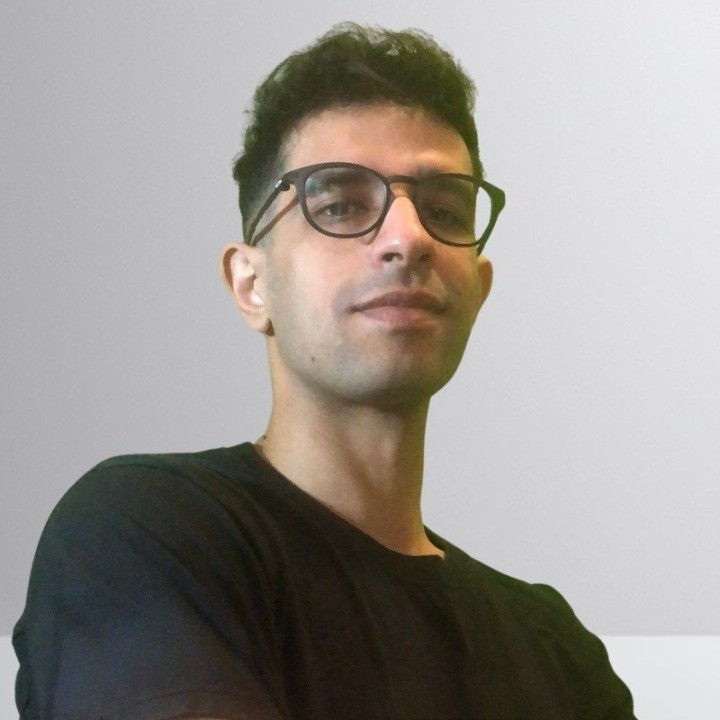
Lujain.ai was founded by Doreid Haddad, an expert in AI and automation with over a decade of experience connecting technology with real business outcomes.
He has led impactful projects involving content generation and custom-built models tailored to specific brand voices and user needs.
Lujain is the next step in that journey — a model built not to chase trends, but to lead with purpose, clarity, and local intelligence.
What Makes Lujain Different
- Arabic-first design, not adapted from English
- Trained and fine-tuned with real contributions from native speakers
- Built for real-world use: content, support, eCommerce, and beyond
- Improved continuously through human feedback, not just algorithms
- Transparent by design — every layer serves a clear purpose
Built for Those Who Think in Arabic
Lujain is more than a language model.
It's an evolving ecosystem built to unlock smarter outcomes for businesses, creators, and communities across the Arabic-speaking world.